Goliart Brush: The Hand-Drawn Font for Creators
When I first tested Goliart Brush in my design software, I immediately pictured it on a stack of kraft paper tags, hanging from rustic twine. There is something deeply satisfying about a display font that carries the weight of a real brush in every letter. Goliart Brush is exactly that — a full-featured typeface with authentic hand-drawn strokes that feels both adventurous and wonderfully imperfect. It belongs on the shortlist of every crafter, printable creator, and small shop owner who needs a font that does the storytelling for them.
What Makes Goliart Brush Stand Out
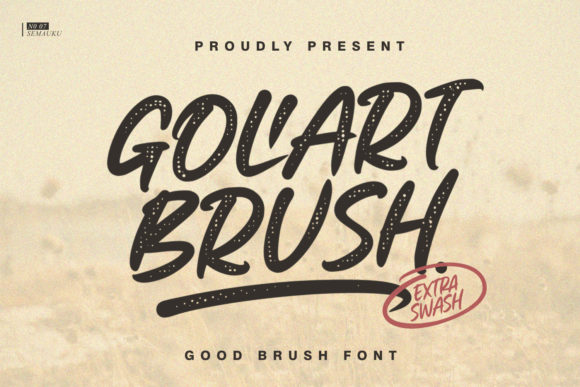
Goliart Brush is not a polished, sterile script. It is a raw, energetic handwritten font built for impact. The letterforms have visible texture and a natural bounce that mimics the way a real brush moves across paper. The thick and thin contrast is dramatic without becoming unreadable, and the rough edges give it a tactile quality that printed products love. This font feels like it was pulled straight from a sketchbook, yet it behaves like a fully functional design asset. For anyone who creates adventure-themed projects, outdoor-inspired branding, or products that need a dash of bold personality, Goliart Brush delivers instant character.
The visual personality is rugged but approachable. It leans into a display font role comfortably, meaning it is built to be seen at larger sizes. The strokes are confident, slightly irregular, and entirely charming. I find that it bridges the gap between a modern script font and a more structured serif font without losing its unique identity. That makes it incredibly versatile for crafters who want their typography to feel intentional and handmade.
Practical Uses for Your Handmade Business
One of the first things I check with any new creative font is how it performs across the real projects that fill my Etsy shop and craft fair table. Goliart Brush has quickly become a go-to choice for product labels, stickers, and packaging because it reads beautifully at a glance and adds a premium, handcrafted feel. Here are some of the ways I am already using it:
- Candle labels and jar decals — The brush texture pairs perfectly with matte label stock, giving a boutique candle line an artisanal look without any extra design work.
- Greeting cards and invitation suites — For birthday invites, rustic wedding stationery, and even baby shower cards, a single name or heading set in Goliart Brush becomes the focal point.
- Wall art and printable downloads — I create digital printables for nurseries and home offices, and this font adds a warm, adventurous tone to quotes, maps, and family name signs.
- Apparel and tote bags — When I press designs onto shirts or canvas bags, the hand-drawn strokes hold their integrity beautifully. The font’s natural gaps and texture translate well to heat transfer vinyl and screen printing.
- Stickers and planner decals — Even at smaller sizes, Goliart Brush stays legible enough for functional planner headers, logo stickers, and small product seals. I always test cut lines carefully, but the results are crisp.
- Seasonal craft designs — From autumn market signs to Christmas gift tags, the font’s organic feel suits seasonal products that rely on cozy, nostalgic energy.
I also use Goliart Brush for product packaging inserts, thank-you cards, and small hang tags. That consistent typography across all touchpoints helps my brand feel cohesive, and customers start to recognize the look even before they see my logo. When a display font can create that kind of brand recognition, it becomes far more than a design tool — it becomes part of your shop’s identity.
Readability and Real-World Application
Because Goliart Brush is a display style font, it thrives in short phrases, titles, and decorative wording. I would not use it for long paragraphs or body text, but that is not what it was designed to do. For product names, hero words on a sign, or a single impactful line on a sticker, it is absolutely in its element. The letter spacing is generous, and the forms are distinct enough that even a quick glance delivers the message.
I always test new fonts on my cutting machine before offering them in a commercial product. With Goliart Brush, I weed vinyl with confidence because the strokes are cleanly defined, and there are no hairline connections that risk tearing. The same goes for printed cards and labels — the texture holds up in both digital and offset printing, and the matte or uncoated paper stocks I love actually enhance the hand-drawn effect. If you design SVG-style designs for Cricut or Silhouette users, this font is a smart addition. Just remember to convert the text to outlines before distributing, and check your license terms for digital design assets.
Testing on Mockup Previews
When I create product mockups for my listings, fonts can make or break a sale. Goliart Brush photographs beautifully on product previews. The organic strokes add depth to flat images, and the mood it creates helps customers imagine the item in their own homes. I have used it on mockup templates for wooden signs, canvas prints, and even coffee mugs, and the response has been overwhelmingly positive. A premium font like this elevates the perceived value of the product before a customer even clicks "add to cart."
Smart Font Pairing Ideas
No font is an island, and Goliart Brush shines brightest when paired carefully. I love combining it with a clean sans serif font for supporting text. A simple, geometric sans serif in all caps or light weight balances the brush’s wild energy and keeps the overall design readable. For projects that need a softer contrast, I pair it with a delicate serif font or a subtle handwritten font that echoes the organic feel without competing. Here are a few pairings that work reliably in my shop:
- Goliart Brush + a narrow sans serif for modern outdoor brand logos and product labels.
- Goliart Brush + a light italic serif for wedding welcome boards and romantic stationery.
- Goliart Brush + a simple monoline script for layered sticker designs and decorative tags.
- Goliart Brush + a sturdy condensed font for bold signage that needs hierarchy.
These pairings leverage the font’s strengths while keeping the design polished. When I build a brand identity for a client or a new product line, I always make sure the primary display font works in harmony with at least two other typefaces. Goliart Brush is cooperative that way — it is distinctive but not domineering.
The Technical Details That Matter
Before you add Goliart Brush to your design toolkit, it is worth checking what is actually included in the font file. As a commercial font intended for professional use, I always look for a few key features. While the exact specifics may vary depending on where you purchase, Goliart Brush typically comes as a standard .otf or .ttf file, which plays nicely with design software like Adobe Illustrator, Photoshop, Procreate, and even Cricut Design Space. If the font includes alternates, ligatures, or swashes, those extras can dramatically expand your creative options. I love using discretionary ligatures to create custom-looking wordmarks without manually adjusting each letter. OpenType features like these are a huge bonus for crafters who want that custom, hand-lettered look without the time investment.
Multilingual support is another practical consideration. If you serve a global customer base or create products for diverse markets, a font that includes extended Latin characters and diacritics will save you countless headaches. I always confirm that the font can handle the languages I need before committing to it for a product line. Goliart Brush’s raw, hand-painted aesthetic translates beautifully across languages, and the extra characters help maintain design consistency on international orders.
A Note on Commercial Licensing
One of the most common questions I see in maker communities is about font licensing for physical products. If you plan to sell items that feature Goliart Brush — whether that means printed invitations, vinyl decals, sublimated mugs, or digital printables — you need a proper commercial font license. Most standard desktop licenses will cover the creation of physical goods for sale, but always read the specific terms. For digital downloads, templates, and SVG designs that include the font in an editable format, you typically need an extended license that allows redistribution of the typeface as part of a design asset. I keep a folder of all my font licenses and receipts, and I note the allowed uses for each one. This protects my business and respects the type designer’s work. Goliart Brush is a valuable premium font, and using it legally ensures you can keep creating with confidence.
Why Goliart Brush Deserves a Spot in Your Font Library
After years of building my small shop, I have learned that the right font can do half the design work for you. Goliart Brush brings a hand-crafted soul that resonates with customers who crave authenticity. It helps me create products that feel personal, thoughtful, and intentionally made. Whether I am designing a single sticker or an entire product line, this font consistently delivers the aesthetic I chase. It handles adventure-themed projects with ease, but it is just as comfortable on a simple thank-you card or a boutique candle label. The hand-drawn strokes carry a story, and that story translates into stronger emotional appeal and higher perceived quality.
For crafters, printable creators, and product sellers, Goliart Brush is far more than a trend. It is a practical, beautiful, and commercially useful display font that earns its place in every project file. I reach for it when I need my designs to feel alive, and I suspect you will too.